
Quick-Service Restaurant & Fast-Food Roofing

Scroll
Quick-Service Restaurant & Fast-Food Roofing

Property Type for Columbus commercial properties

Quick-Service Restaurant & Fast-Food Roofing

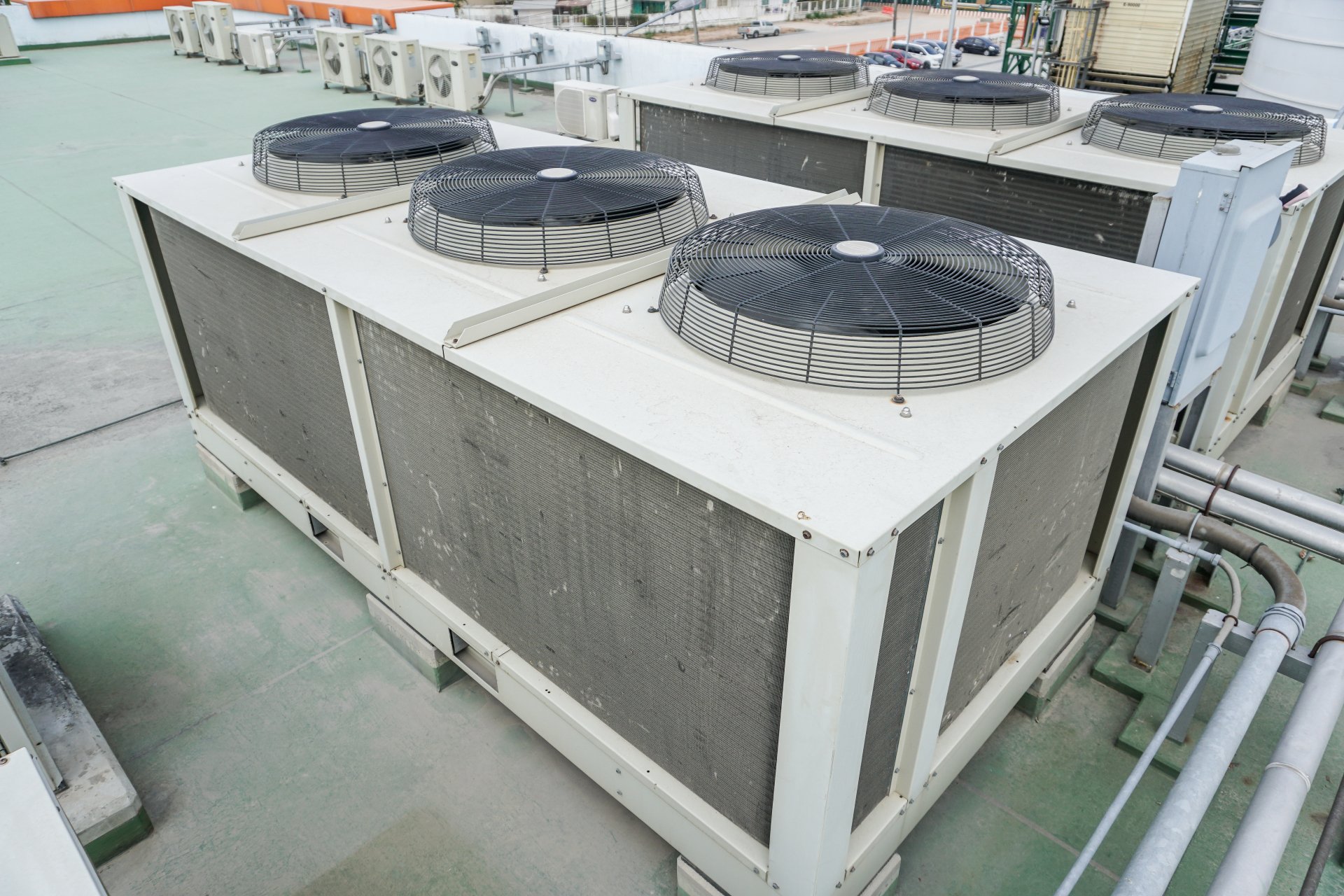
Quick-service restaurants run some of the hardest-working small roofs in commercial real estate. A fast-food building might cover only a few thousand square feet, but that modest footprint carries a punishing density of rooftop equipment, a constant stream of grease-laden exhaust, and zero tolerance for downtime. Every hour the dining room or drive-thru is closed for water damage is an hour of lost sales, and on a high-volume corner that adds up fast. Roofing a QSR is a specialized discipline: it is less about acreage and more about managing grease, penetrations, and tight overnight work windows on a building that never wants to stop selling.

Columbus has unusually deep roots in this category. White Castle is headquartered here, Wendy's runs its operation out of Dublin, and Bob Evans Farms is based in New Albany, while national chains line every major suburban corridor from Hilliard to Reynoldsburg to Grove City. These restaurants sit in ASHRAE climate zone 5A, a cold and humid region that drives roughly 65 to 70 freeze-thaw cycles through every roof seam each year, piles on winter snow and ice-dam loading, and then exposes the same membrane to humid summer heat. A QSR roof in central Ohio has to shrug off all of that while surviving the grease, vibration, and foot traffic that a busy kitchen throws at it.

Quick-Service Restaurant & Fast-Food Roofing decision points

Quick-service restaurants run some of the hardest-working small roofs in commercial real estate. A fast-food building might cover only a few thousand square feet, but that modest footprint carries a punishing density of rooftop equipment, a constant stream of grease-laden exhaust, and zero tolerance for downtime. Every hour the dining room or drive-thru is closed for water damage is an hour of lost sales, and on a high-volume corner that adds up fast. Roofing a QSR is a specialized discipline: it is less about acreage and more about managing grease, penetrations, and tight overnight work windows on a building that never wants to stop selling.

What gets verified on the roof

Columbus has unusually deep roots in this category. White Castle is headquartered here, Wendy's runs its operation out of Dublin, and Bob Evans Farms is based in New Albany, while national chains line every major suburban corridor from Hilliard to Reynoldsburg to Grove City. These restaurants sit in ASHRAE climate zone 5A, a cold and humid region that drives roughly 65 to 70 freeze-thaw cycles through every roof seam each year, piles on winter snow and ice-dam loading, and then exposes the same membrane to humid summer heat. A QSR roof in central Ohio has to shrug off all of that while surviving the grease, vibration, and foot traffic that a busy kitchen throws at it.

How the Columbus property context affects the scope

The building type affects staging, work hours, tenant protection, rooftop equipment coordination, drainage review, access routes, and closeout documentation.

What ownership receives

The result is a property-specific roof plan that protects the building use while giving ownership a clear scope, schedule, access plan, and budget path.

Questions

Quick-Service Restaurant & Fast-Food Roofing questions

What roofing membrane is best for a Columbus fast-food restaurant?

For most quick-service buildings, grease-resistant PVC single-ply is the strongest choice because it withstands the fats and oils that kitchen exhaust deposits, where TPO and EPDM can break down under sustained grease contact. The heat-welded seams hold up well around the dense penetrations a QSR carries, and the reflective surface helps with summer cooling load. The right insulation depth and attachment depend on the building, but PVC over R-25 polyiso with a cover board is a dependable baseline.

How do you keep grease from destroying the roof?

With a combination of grease-resistant membrane, a containment system at the exhaust discharge, and a regular cleaning cadence. The containment catches residue before it spreads, sacrificial target sheets protect the most-exposed membrane so it can be replaced cheaply, and scheduled cleaning keeps grease from pooling and baking into the surface. Grease is the number-one reason restaurant roofs fail early, so this is the heart of the design.

Can you re-roof without closing my restaurant?

In most cases, yes. We schedule the work overnight or during closed hours, section the roof so each area is opened and dried in within a single window, and keep the drive-thru and entrances clear so the building is watertight and ready before the next open. Central Ohio weather means strict dry-in discipline, but a well-planned QSR re-roof typically costs zero lost operating days.

Talk through quick-service restaurant & fast-food roofing.

Share the building address, roof history, current concern, timing, and access constraints. We will give you a practical next step for inspection, repair, maintenance, coating, or replacement planning.

Contact Commercial Roofers of Columbus