Museum & Cultural Facility Roofing

Scroll
Museum & Cultural Facility Roofing

Property Type for Columbus commercial properties

Museum & Cultural Facility Roofing

A museum roof guards things that cannot be replaced. The collections beneath it have no equivalent of a backup, and a single leak over a gallery can cause damage that no insurance settlement truly repairs. That reality drives every decision on a cultural-facility roof toward redundancy and zero leak tolerance. Add the tight interior climate that conservation demands, the daylighting features that define so many museum spaces, and the architectural and sometimes historic character of the buildings themselves, and you have one of the most exacting roofing assignments in commercial work. The membrane is only the beginning; the real job is protecting an irreplaceable interior.

Columbus carries a rich cultural roster: COSI on the riverfront, the Columbus Museum of Art, the Franklin Park Conservatory and Botanical Gardens, the Wexner Center for the Arts at Ohio State, and the Ohio History Center, among others. These buildings sit in ASHRAE climate zone 5A, a cold and humid region that pushes roughly 65 to 70 freeze-thaw cycles through every roof seam each year, layers on winter snow and ice-dam loading, and then bakes the same membrane under humid summer heat. For a building whose interior must hold a narrow temperature and humidity band to protect its collection, that swinging exterior climate makes the roof assembly, not just the membrane, the thing that keeps the artifacts safe.

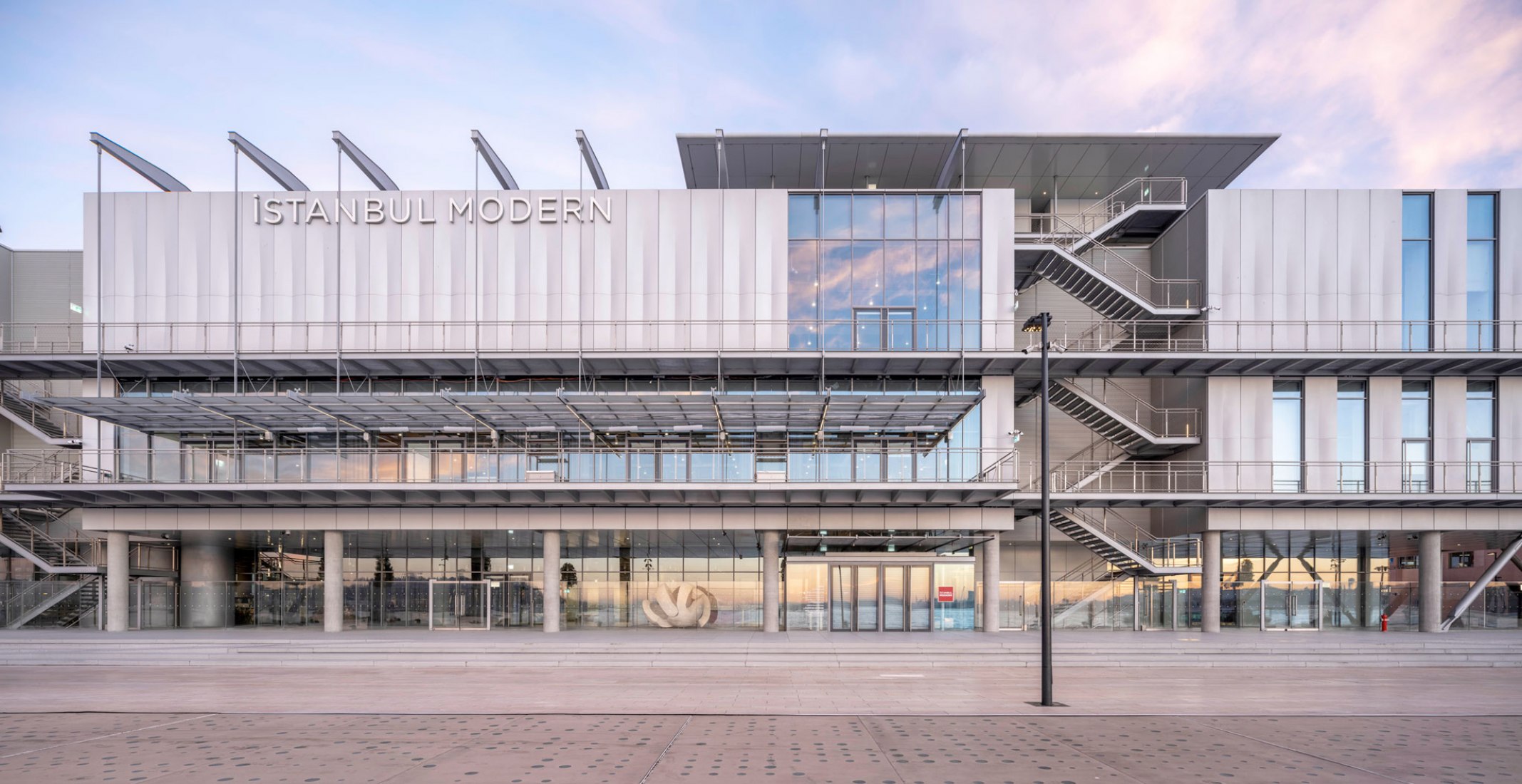
Museum & Cultural Facility Roofing decision points

A museum roof guards things that cannot be replaced. The collections beneath it have no equivalent of a backup, and a single leak over a gallery can cause damage that no insurance settlement truly repairs. That reality drives every decision on a cultural-facility roof toward redundancy and zero leak tolerance. Add the tight interior climate that conservation demands, the daylighting features that define so many museum spaces, and the architectural and sometimes historic character of the buildings themselves, and you have one of the most exacting roofing assignments in commercial work. The membrane is only the beginning; the real job is protecting an irreplaceable interior.

What gets verified on the roof

Columbus carries a rich cultural roster: COSI on the riverfront, the Columbus Museum of Art, the Franklin Park Conservatory and Botanical Gardens, the Wexner Center for the Arts at Ohio State, and the Ohio History Center, among others. These buildings sit in ASHRAE climate zone 5A, a cold and humid region that pushes roughly 65 to 70 freeze-thaw cycles through every roof seam each year, layers on winter snow and ice-dam loading, and then bakes the same membrane under humid summer heat. For a building whose interior must hold a narrow temperature and humidity band to protect its collection, that swinging exterior climate makes the roof assembly, not just the membrane, the thing that keeps the artifacts safe.

How the Columbus property context affects the scope

The building type affects staging, work hours, tenant protection, rooftop equipment coordination, drainage review, access routes, and closeout documentation.

What ownership receives

The result is a property-specific roof plan that protects the building use while giving ownership a clear scope, schedule, access plan, and budget path.

Questions

Museum & Cultural Facility Roofing questions

How do you make a museum roof truly leak-proof over the collection?

Through redundancy and monitoring rather than a single membrane. Penetrations over galleries and storage get full-height reinforced flashing and backed-up terminations, the highest-value areas get a secondary waterproofing membrane beneath the primary roof, and we integrate electronic leak detection so any breach is isolated to a small area before it reaches a ceiling. Combined with infrared surveys and scheduled inspections, the design is built so no single failure ever reaches the artifacts.

Why does the roof matter so much for interior climate control?

Because the roof is the boundary between Columbus's swinging climate and the tight temperature and humidity band a collection requires. A correctly designed assembly with continuous polyiso insulation and a properly placed air and vapor barrier keeps interior conditions stable and prevents winter condensation inside the roof, which protects both the collection and the roof itself. The conservation goal and the energy-efficiency goal are the same assembly.

Can you re-roof around skylights without risking the galleries?

Yes. We treat each skylight as a precision detail with full-height curb flashing integrated into the membrane, serviceable glazing seals, and where appropriate a redundant condensation or infiltration gutter inside the curb. We sequence the work so the gallery below is never left open to weather, and we coordinate light-control goals so daylighting performs as the building's designers intended once the roof is complete.

Talk through museum & cultural facility roofing.

Share the building address, roof history, current concern, timing, and access constraints. We will give you a practical next step for inspection, repair, maintenance, coating, or replacement planning.

Contact Commercial Roofers of Columbus