Parking Structure & Deck Waterproofing

Scroll
Parking Structure & Deck Waterproofing

Property Type for Columbus commercial properties

Parking Structure & Deck Waterproofing

A parking structure is one of the most misunderstood "roofs" a property owner manages. The exposed top deck of a downtown Columbus garage is not a roof in the conventional sense at all — it is a traffic-bearing concrete surface that vehicles drive on, park on, and turn on thousands of times a day, while simultaneously protecting every level beneath it from water. That dual job, structural surface and waterproofing membrane at once, is what makes deck waterproofing a distinct trade from ordinary low-slope commercial roofing. The membrane fails not from foot traffic and weather alone, but from tires, point loads, turning shear, and a relentless chemical assault that an office roof never sees.

Central Ohio makes that assault unusually severe. Columbus sits in ASHRAE/IECC climate zone 5A — cold and humid — and endures roughly 65 to 70 freeze-thaw cycles a year. Every one of those cycles drives water that has soaked into concrete or pooled at a joint through an expand-and-contract motion that pries the structure apart. Layer on the de-icing salt that crews and the city spread across ramps and decks all winter, and you have chloride-laden meltwater sitting on and seeping into reinforced concrete. Chloride is what corrodes the embedded rebar; corroding rebar swells and spalls the concrete from the inside out. From downtown garages near the Greater Columbus Convention Center to the structured parking at Easton Town Center, OSU campus garages, and hospital parking decks across Franklin County, the buildings that perform are the ones with an intact traffic-coating and waterproofing system. The ones that don't get expensive concrete restoration instead.

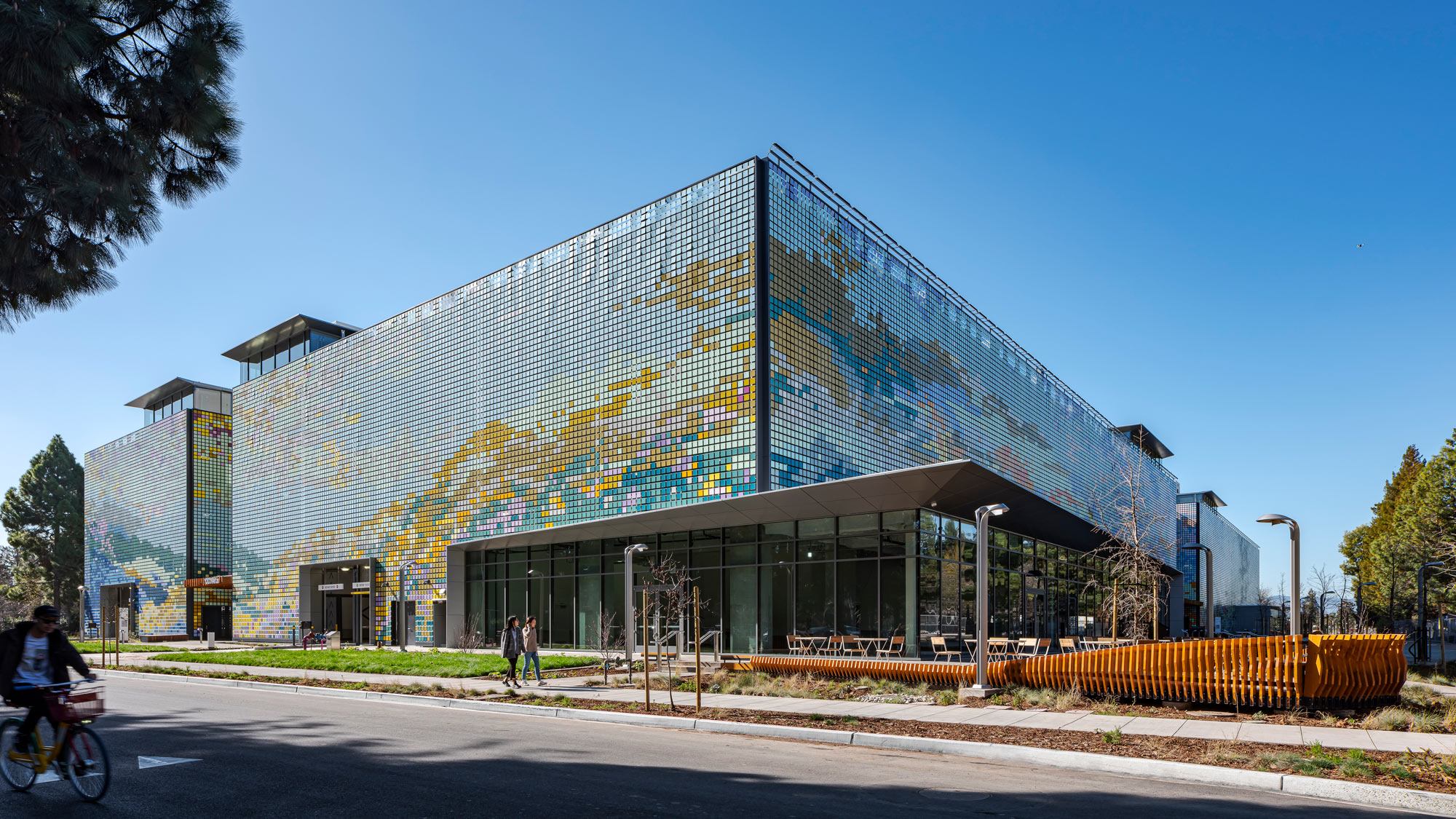
Parking Structure & Deck Waterproofing decision points

A parking structure is one of the most misunderstood "roofs" a property owner manages. The exposed top deck of a downtown Columbus garage is not a roof in the conventional sense at all — it is a traffic-bearing concrete surface that vehicles drive on, park on, and turn on thousands of times a day, while simultaneously protecting every level beneath it from water. That dual job, structural surface and waterproofing membrane at once, is what makes deck waterproofing a distinct trade from ordinary low-slope commercial roofing. The membrane fails not from foot traffic and weather alone, but from tires, point loads, turning shear, and a relentless chemical assault that an office roof never sees.

What gets verified on the roof

Central Ohio makes that assault unusually severe. Columbus sits in ASHRAE/IECC climate zone 5A — cold and humid — and endures roughly 65 to 70 freeze-thaw cycles a year. Every one of those cycles drives water that has soaked into concrete or pooled at a joint through an expand-and-contract motion that pries the structure apart. Layer on the de-icing salt that crews and the city spread across ramps and decks all winter, and you have chloride-laden meltwater sitting on and seeping into reinforced concrete. Chloride is what corrodes the embedded rebar; corroding rebar swells and spalls the concrete from the inside out. From downtown garages near the Greater Columbus Convention Center to the structured parking at Easton Town Center, OSU campus garages, and hospital parking decks across Franklin County, the buildings that perform are the ones with an intact traffic-coating and waterproofing system. The ones that don't get expensive concrete restoration instead.

How the Columbus property context affects the scope

The building type affects staging, work hours, tenant protection, rooftop equipment coordination, drainage review, access routes, and closeout documentation.

What ownership receives

The result is a property-specific roof plan that protects the building use while giving ownership a clear scope, schedule, access plan, and budget path.

Questions

Parking Structure & Deck Waterproofing questions

How is parking deck waterproofing different from a normal Columbus roof?

A roof keeps weather out of a building; a parking deck does that and serves as a vehicle-bearing surface at the same time. The waterproofing must adhere directly to the structural concrete, bridge cracks, resist tire abrasion and turning shear, and stand up to de-icing salt — none of which a TPO or EPDM building roof contends with. The systems, details, and testing are specific to traffic-bearing decks, which is why it's treated as a distinct discipline.

Why do central Ohio garages deteriorate faster than the building itself?

Because of chloride-driven corrosion. De-icing salt dissolved in snowmelt penetrates the concrete and corrodes the embedded rebar, which swells and spalls the concrete. Columbus's 65 to 70 annual freeze-thaw cycles then widen every crack. An office roof never sees road salt or vehicle loads, so it ages on a slower, gentler curve than an exposed parking deck.

Can you waterproof our garage while it stays open?

Yes — that's the normal case here. We phase the work by level and bay, coordinate closures with your operations, and use fast-cure PMMA details to return key lanes to service quickly. Egress, emergency access, and public separation from active work are built into the phasing plan so the structure keeps operating throughout.

Talk through parking structure & deck waterproofing.

Share the building address, roof history, current concern, timing, and access constraints. We will give you a practical next step for inspection, repair, maintenance, coating, or replacement planning.

Contact Commercial Roofers of Columbus