
Stadium & Arena Roofing

Scroll
Stadium & Arena Roofing

Property Type for Columbus commercial properties

Stadium & Arena Roofing

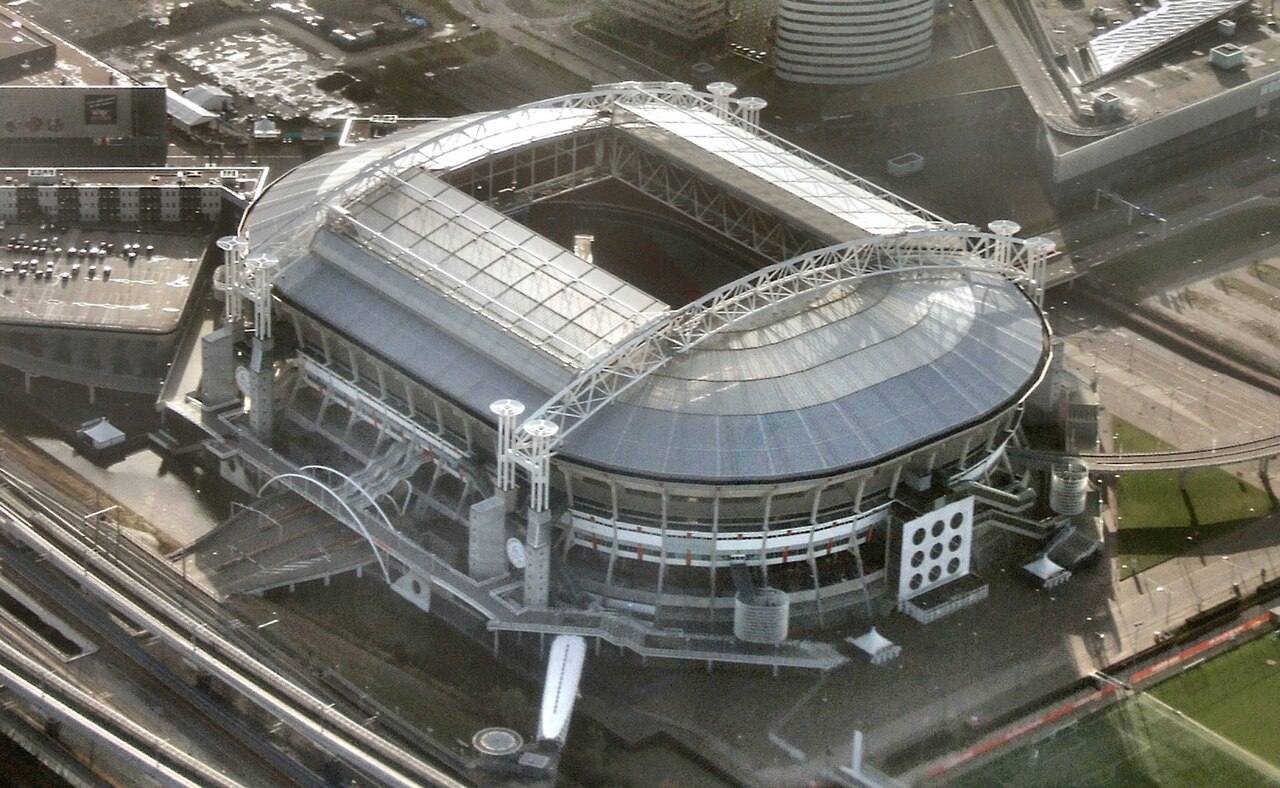
A stadium or arena roof is commercial roofing at its largest and least forgiving scale. These are not buildings with a roof on top so much as enormous engineered enclosures — vast low-slope fields over concourses, clubs, and suites, soaring canopy structures over seating bowls, press boxes and suite roofs perched high in the wind, and acres of membrane that all have to drain, resist uplift, and stay watertight above tens of thousands of people. Columbus is a serious sports city, home to Nationwide Arena and the Blue Jackets, Ohio Stadium — "the Horseshoe" — and Ohio State football, Lower.com Field and the Columbus Crew, Huntington Park and the Clippers, and the Schottenstein Center. Each one presents a roofing problem that an ordinary office or warehouse never approaches.

What makes these roofs distinct is the combination of scale, exposure, and consequence. The clear-span areas over concourses and clubs can run to acres of uninterrupted low-slope membrane with very long drainage paths. The canopies and overhangs that shade the seating bowl are high off the ground and fully exposed, so wind-uplift is a constant design driver — and central Ohio's spring and summer storms, on the eastern edge of the Midwest hail belt, bring high winds and occasional 1-inch-plus hail. Climate zone 5A piles on roughly 65 to 70 freeze-thaw cycles a year plus real snow load. And the building is full of people on event days, which means safety and scheduling govern everything we do up there.

Stadium & Arena Roofing decision points

A stadium or arena roof is commercial roofing at its largest and least forgiving scale. These are not buildings with a roof on top so much as enormous engineered enclosures — vast low-slope fields over concourses, clubs, and suites, soaring canopy structures over seating bowls, press boxes and suite roofs perched high in the wind, and acres of membrane that all have to drain, resist uplift, and stay watertight above tens of thousands of people. Columbus is a serious sports city, home to Nationwide Arena and the Blue Jackets, Ohio Stadium — "the Horseshoe" — and Ohio State football, Lower.com Field and the Columbus Crew, Huntington Park and the Clippers, and the Schottenstein Center. Each one presents a roofing problem that an ordinary office or warehouse never approaches.

What gets verified on the roof

What makes these roofs distinct is the combination of scale, exposure, and consequence. The clear-span areas over concourses and clubs can run to acres of uninterrupted low-slope membrane with very long drainage paths. The canopies and overhangs that shade the seating bowl are high off the ground and fully exposed, so wind-uplift is a constant design driver — and central Ohio's spring and summer storms, on the eastern edge of the Midwest hail belt, bring high winds and occasional 1-inch-plus hail. Climate zone 5A piles on roughly 65 to 70 freeze-thaw cycles a year plus real snow load. And the building is full of people on event days, which means safety and scheduling govern everything we do up there.

How the Columbus property context affects the scope

The building type affects staging, work hours, tenant protection, rooftop equipment coordination, drainage review, access routes, and closeout documentation.

What ownership receives

The result is a property-specific roof plan that protects the building use while giving ownership a clear scope, schedule, access plan, and budget path.

Questions

Stadium & Arena Roofing questions

Why do stadium and arena roofs need different expertise than a normal building?

Scale, exposure, and consequence. The roofs are acres of low-slope field with very long drainage paths, the canopies and press boxes face extreme wind-uplift, the equipment is enormous, and the building is full of people on event days. Those factors drive different drainage engineering, FM/UL wind ratings, mixed metal-and-membrane detailing, and event-calendar scheduling that ordinary commercial work doesn't involve.

How do you schedule work around the event calendar?

We plan backward from the schedule and work in the gaps — between events, in the off-season, and within defined windows. No overhead work happens while the venue is occupied. Each section is brought to a safe, weather-tight state before the next event loads in, with materials secured against wind and access coordinated with venue operations and security.

Why is wind-uplift such a big concern on canopies?

Canopies are elevated, often cantilevered, and exposed to wind on multiple sides, so they see far higher uplift than a grade-level roof — and central Ohio's spring and summer storms bring real wind. We use FM/UL wind-rated assemblies, ANSI/SPRI ES-1 edge metal, and engineered fastening in the perimeter and corner zones where uplift concentrates, because a perimeter failure can peel a large area in one event.

Talk through stadium & arena roofing.

Share the building address, roof history, current concern, timing, and access constraints. We will give you a practical next step for inspection, repair, maintenance, coating, or replacement planning.

Contact Commercial Roofers of Columbus