
Veterinary Clinic & Animal Hospital Roofing

Scroll
Veterinary Clinic & Animal Hospital Roofing

Property Type for Columbus commercial properties

Veterinary Clinic & Animal Hospital Roofing

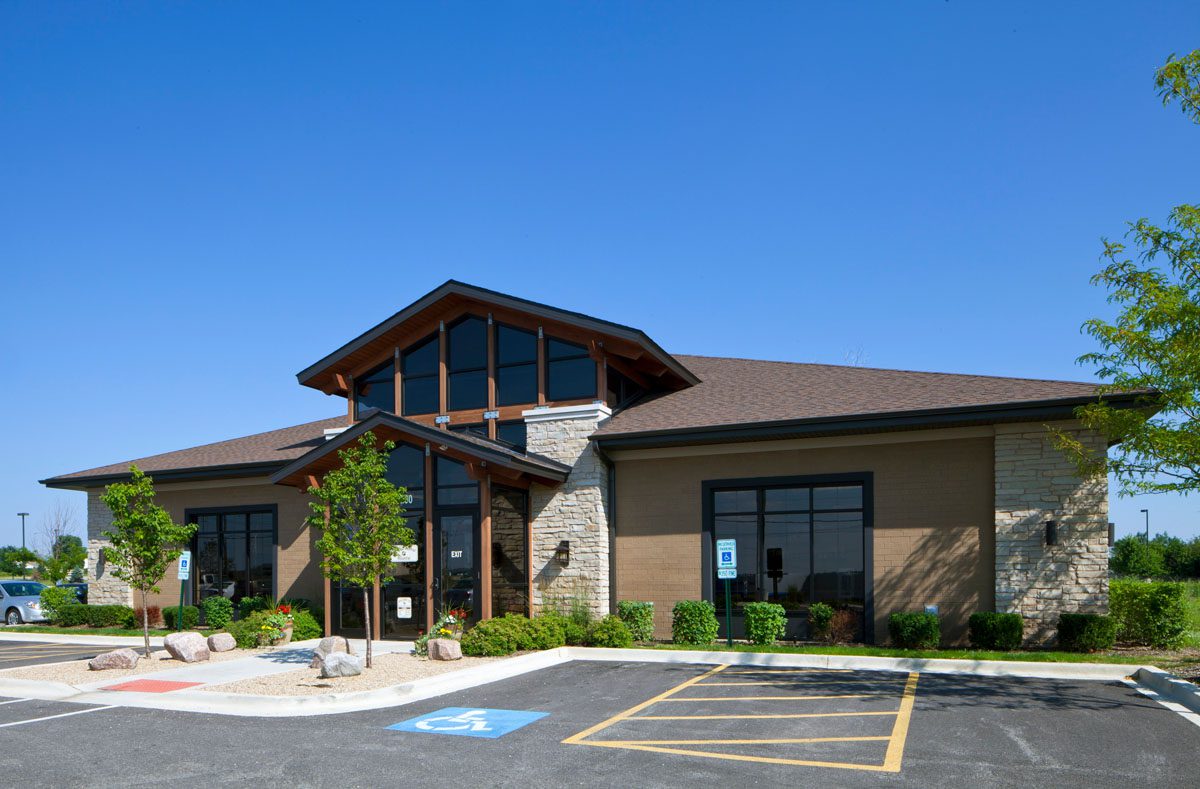
A veterinary clinic looks like a small commercial building, but the work happening beneath its roof makes it one of the most sensitive properties a roofer can take on. Below that modest low-slope membrane are surgical suites, recovery wards, imaging rooms, boarding kennels, and — at a 24-hour emergency hospital — patients and staff who never go home. Animals are far more sensitive than people to noise, vibration, and odor, and a procedure in progress can't simply be paused because there's a crew overhead. From neighborhood clinics and animal hospitals across the Franklin County suburbs to the large-scale OSU Veterinary Medical Center, the roofing challenge is less about square footage and more about working considerately over living patients and time-critical medicine.

Central Ohio's climate sets the technical baseline. Columbus sits in ASHRAE/IECC climate zone 5A — cold and humid — with roughly 65 to 70 freeze-thaw cycles a year, real snow and ice-dam loads in winter, and humid summers that make reflective membranes worthwhile. The region also rides the eastern edge of the Midwest hail belt, where spring and summer storms occasionally bring 1-inch-plus hail. A clinic roof has to handle all of that while protecting medical and imaging equipment, controlled-environment surgery and recovery spaces, and the boarding areas where animals stay overnight. Most veterinary roofs are smaller single-ply systems dotted with skylights and exhaust penetrations — straightforward to build, but demanding to work over.

Veterinary Clinic & Animal Hospital Roofing decision points

A veterinary clinic looks like a small commercial building, but the work happening beneath its roof makes it one of the most sensitive properties a roofer can take on. Below that modest low-slope membrane are surgical suites, recovery wards, imaging rooms, boarding kennels, and — at a 24-hour emergency hospital — patients and staff who never go home. Animals are far more sensitive than people to noise, vibration, and odor, and a procedure in progress can't simply be paused because there's a crew overhead. From neighborhood clinics and animal hospitals across the Franklin County suburbs to the large-scale OSU Veterinary Medical Center, the roofing challenge is less about square footage and more about working considerately over living patients and time-critical medicine.

What gets verified on the roof

Central Ohio's climate sets the technical baseline. Columbus sits in ASHRAE/IECC climate zone 5A — cold and humid — with roughly 65 to 70 freeze-thaw cycles a year, real snow and ice-dam loads in winter, and humid summers that make reflective membranes worthwhile. The region also rides the eastern edge of the Midwest hail belt, where spring and summer storms occasionally bring 1-inch-plus hail. A clinic roof has to handle all of that while protecting medical and imaging equipment, controlled-environment surgery and recovery spaces, and the boarding areas where animals stay overnight. Most veterinary roofs are smaller single-ply systems dotted with skylights and exhaust penetrations — straightforward to build, but demanding to work over.

How the Columbus property context affects the scope

The building type affects staging, work hours, tenant protection, rooftop equipment coordination, drainage review, access routes, and closeout documentation.

What ownership receives

The result is a property-specific roof plan that protects the building use while giving ownership a clear scope, schedule, access plan, and budget path.

Questions

Veterinary Clinic & Animal Hospital Roofing questions

How do you keep roof work from stressing the animals?

By controlling noise, vibration, and odor. We use low-VOC, low-odor adhesives and primers, schedule the loud tear-off and fastening around the surgical and treatment calendar, choose fastening methods that limit transmitted vibration over sensitive rooms, and never work directly above an active surgery or recovery ward. Rooftop air intakes are protected so dust and fumes don't reach the spaces below.

Can you re-roof a 24-hour emergency animal hospital without it closing?

Yes. We treat it like a human hospital — phased, zone-by-zone work that keeps every clinical function operating. We identify the spaces that can't be disturbed, such as the ICU and surgical suites, sequence the roof to protect and keep access to them, and keep the building weather-tight at the end of each shift so no ward is ever exposed.

What happens if we get a leak over surgery or imaging?

We prioritize it as an emergency. A leak over a sterile field or over imaging equipment is a clinical hazard, so we respond quickly to stop active water entry, protect the equipment and sterile spaces below, and make a durable repair. Fast response over critical clinical areas is a core part of how we serve veterinary clients.

Talk through veterinary clinic & animal hospital roofing.

Share the building address, roof history, current concern, timing, and access constraints. We will give you a practical next step for inspection, repair, maintenance, coating, or replacement planning.

Contact Commercial Roofers of Columbus