Built Up Roofing

Scroll
Built Up Roofing

Service for Columbus commercial properties

Built Up Roofing

Columbus carries millions of square feet of built-up roofing installed between the 1950s and 1990s — in the Rickenbacker cargo complex on the southeast side, in the Linden and North Linden industrial corridors, on OSU campus buildings dating to the 1920s, and across the aging suburban office parks in Clintonville and the Broad-High corridor. We assess which BUR roofs still perform, repair what can be extended, and replace what cannot.

Built-up roofing is a multi-ply system: alternating layers of bitumen — hot-applied asphalt or cold-process coal-tar pitch — and reinforcing felts or fiberglass plies, finished with aggregate, mineral cap sheet, or reflective coating. When correctly installed and maintained, BUR delivers redundant waterproofing layers and puncture resistance that single-ply systems cannot match at equivalent thickness. The challenge in Columbus is age: the majority of the active BUR inventory in Franklin County was installed before 1990 and has been maintained reactively rather than on a documented program.

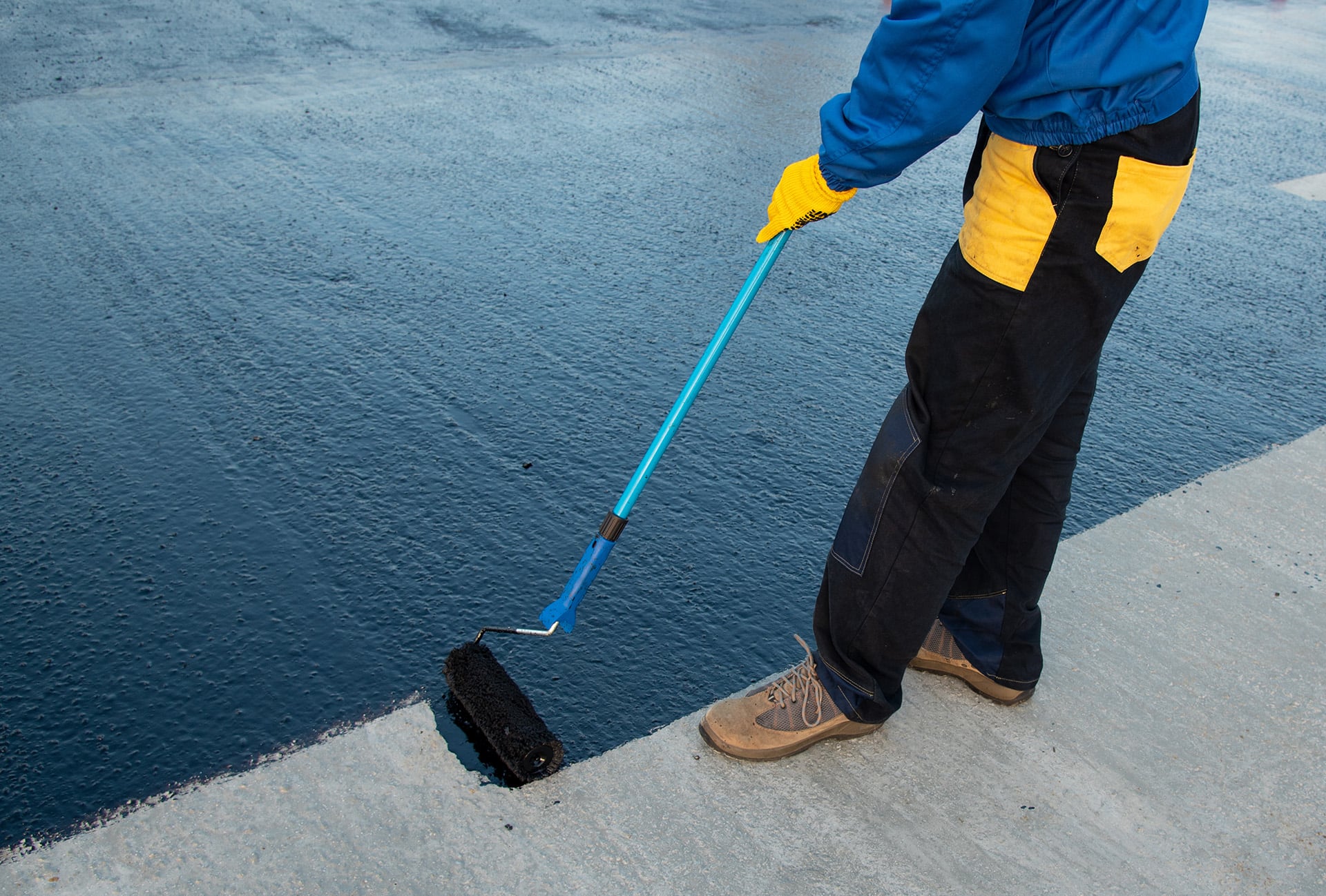
Built Up Roofing decision points

Columbus carries millions of square feet of built-up roofing installed between the 1950s and 1990s — in the Rickenbacker cargo complex on the southeast side, in the Linden and North Linden industrial corridors, on OSU campus buildings dating to the 1920s, and across the aging suburban office parks in Clintonville and the Broad-High corridor. We assess which BUR roofs still perform, repair what can be extended, and replace what cannot.

What gets verified on the roof

Built-up roofing is a multi-ply system: alternating layers of bitumen — hot-applied asphalt or cold-process coal-tar pitch — and reinforcing felts or fiberglass plies, finished with aggregate, mineral cap sheet, or reflective coating. When correctly installed and maintained, BUR delivers redundant waterproofing layers and puncture resistance that single-ply systems cannot match at equivalent thickness. The challenge in Columbus is age: the majority of the active BUR inventory in Franklin County was installed before 1990 and has been maintained reactively rather than on a documented program.

How the Columbus property context affects the scope

Service decisions are tied to leak history, roof age, membrane condition, drainage, tenant sensitivity, access, and the capital plan behind the property.

What ownership receives

The next step is a repair scope, replacement budget, coating review, maintenance schedule, bid package, moisture survey, or immediate leak response plan.

Questions

Built Up Roofing questions

How do I know if my Columbus BUR roof needs repair or replacement?

You need a moisture assessment — not a visual inspection alone. BUR roofs in Columbus that look visually intact from the surface can have substantial wet insulation that a surface walk misses entirely. We pull moisture cores at representative intervals and produce a written condition report that distinguishes dry repairable areas from wet sections that require insulation replacement. That report is the basis for a defensible capital decision. Visual-only assessments on Columbus BUR roofs routinely miss the conditions that determine whether recover is viable.

Can BUR repairs be done in winter in Columbus?

Cold-process BUR repairs can be performed at substrate temperatures above 40°F with appropriate product selection. Hot-applied repairs require substrate temperatures above 40°F and heated bitumen throughout the pour — manageable in Columbus's winter with adequate heat equipment, but not appropriate in active precipitation or when overnight lows have frozen the substrate. Columbus winter repair schedules build in weather contingency, and we communicate clearly when temperature constraints will push repair timing.

Is coal-tar pitch BUR still available for Columbus buildings with existing coal-tar systems?

Coal-tar pitch BUR is available from specialty suppliers for buildings where existing coal-tar systems must be repaired with compatible materials. Coal-tar and asphalt BUR systems are not compatible — patching asphalt BUR with coal-tar or vice versa produces interface failures within a few freeze-thaw cycles. We identify the existing bitumen type during inspection and specify compatible repair materials. Several OSU campus buildings and downtown Columbus office structures dating to the 1950s and 1960s have original coal-tar pitch BUR that requires coal-tar-compatible repair materials.

Talk through built up roofing.

Share the building address, roof history, current concern, timing, and access constraints. We will give you a practical next step for inspection, repair, maintenance, coating, or replacement planning.

Contact Commercial Roofers of Columbus