Service for Columbus commercial properties
Standing Seam Metal Roofing Columbus OH
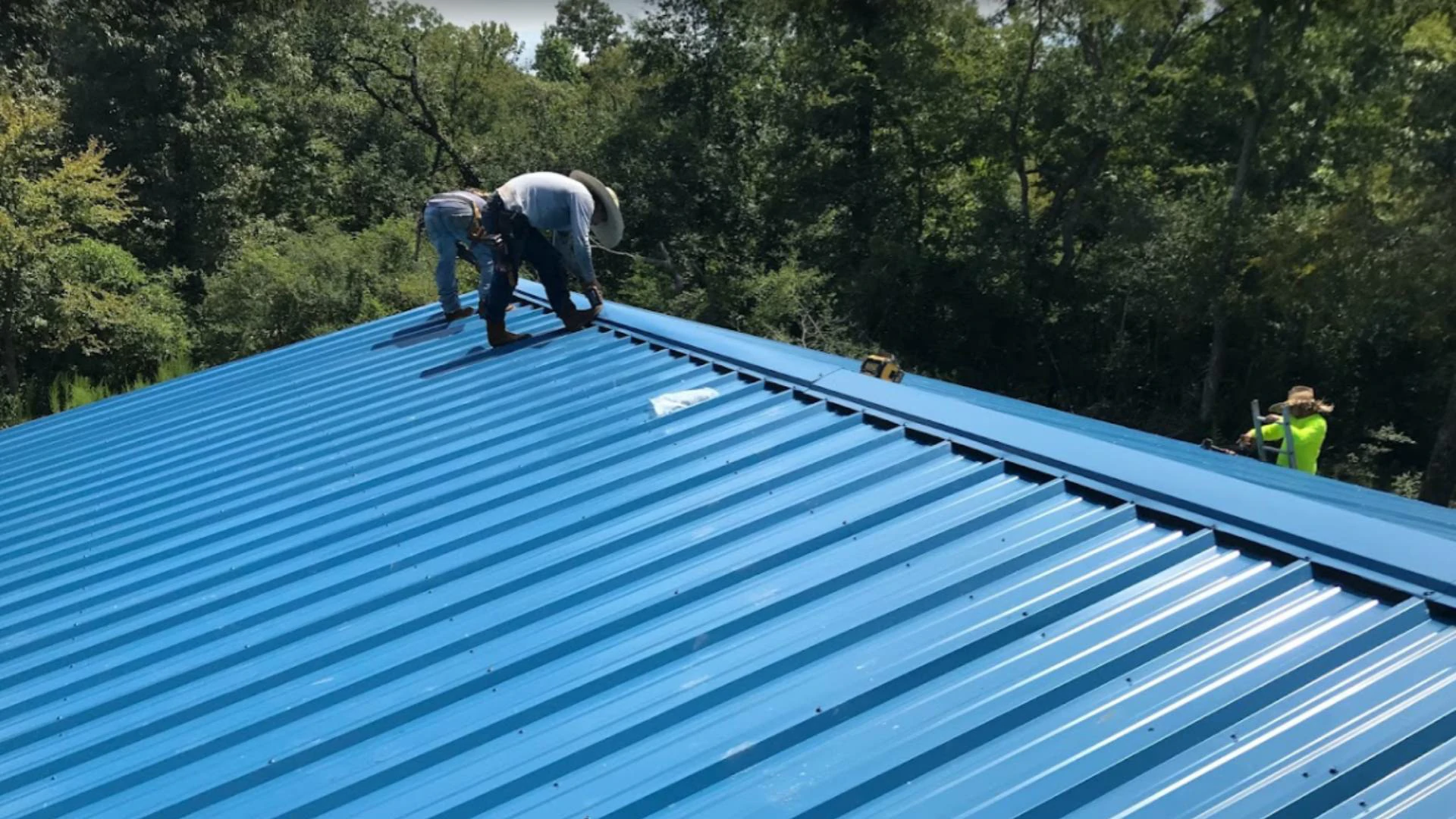
Standing seam metal roofing earns its cost premium in Columbus commercial buildings through service life that no single-ply membrane can match. A properly installed 24-gauge Galvalume steel standing seam system on a Columbus commercial building — clip spacing sized to the building's ASCE 7 wind exposure, thermal-movement clearance built into every panel run, and peel-and-stick underlayment at all eave and valley zones — runs 40 to 50 years before major capital decisions are required. On a building that would need three TPO replacement cycles in the same period, the standing seam premium frequently disappears on a lifecycle cost basis.
Columbus's climate is more demanding on standing seam than most owners realize when they are comparing initial installation costs. Central Ohio sits at the edge of Tornado Alley — Franklin County has recorded EF2 tornado touchdowns within the county boundary in recent years, and the ASCE 7 wind-speed map puts the Columbus metro in an exposure zone that demands engineered clip patterns on exposed buildings. Freeze-thaw cycling — 28 or more events in a typical Columbus winter — stresses every panel joint. Summer rooftop surface temperatures on dark or low-reflectance panels push 160°F. We design against all three of these Columbus-specific stress patterns in every standing seam scope we produce.
Standing Seam Metal Roofing Columbus OH decision points
Standing seam metal roofing earns its cost premium in Columbus commercial buildings through service life that no single-ply membrane can match. A properly installed 24-gauge Galvalume steel standing seam system on a Columbus commercial building — clip spacing sized to the building's ASCE 7 wind exposure, thermal-movement clearance built into every panel run, and peel-and-stick underlayment at all eave and valley zones — runs 40 to 50 years before major capital decisions are required. On a building that would need three TPO replacement cycles in the same period, the standing seam premium frequently disappears on a lifecycle cost basis.
What gets verified on the roof
Columbus's climate is more demanding on standing seam than most owners realize when they are comparing initial installation costs. Central Ohio sits at the edge of Tornado Alley — Franklin County has recorded EF2 tornado touchdowns within the county boundary in recent years, and the ASCE 7 wind-speed map puts the Columbus metro in an exposure zone that demands engineered clip patterns on exposed buildings. Freeze-thaw cycling — 28 or more events in a typical Columbus winter — stresses every panel joint. Summer rooftop surface temperatures on dark or low-reflectance panels push 160°F. We design against all three of these Columbus-specific stress patterns in every standing seam scope we produce.
How the Columbus property context affects the scope
Service decisions are tied to leak history, roof age, membrane condition, drainage, tenant sensitivity, access, and the capital plan behind the property.
What ownership receives
The next step is a repair scope, replacement budget, coating review, maintenance schedule, bid package, moisture survey, or immediate leak response plan.
Talk through standing seam metal roofing columbus oh.
Share the building address, roof history, current concern, timing, and access constraints. We will give you a practical next step for inspection, repair, maintenance, coating, or replacement planning.
Contact Commercial Roofers of Columbus