Storm Damage Roof Repair & Insurance Claims

Scroll
Storm Damage Roof Repair & Insurance Claims

Service for Columbus commercial properties

Storm Damage Roof Repair & Insurance Claims

Columbus's commercial market spans the I-70/I-71 freeway corridor, the Short North and German Village redevelopment districts, the Polaris and Easton retail centers, and the Rickenbacker cargo airport zone. Storm damage documentation and insurance claim roofing in this market requires a contractor who can produce GPS-tagged hail impact maps, wind damage assessments, and supplemental claim documentation in the format that commercial property adjusters use — not just a repair estimate, but the evidence package that gets the claim approved at full scope.

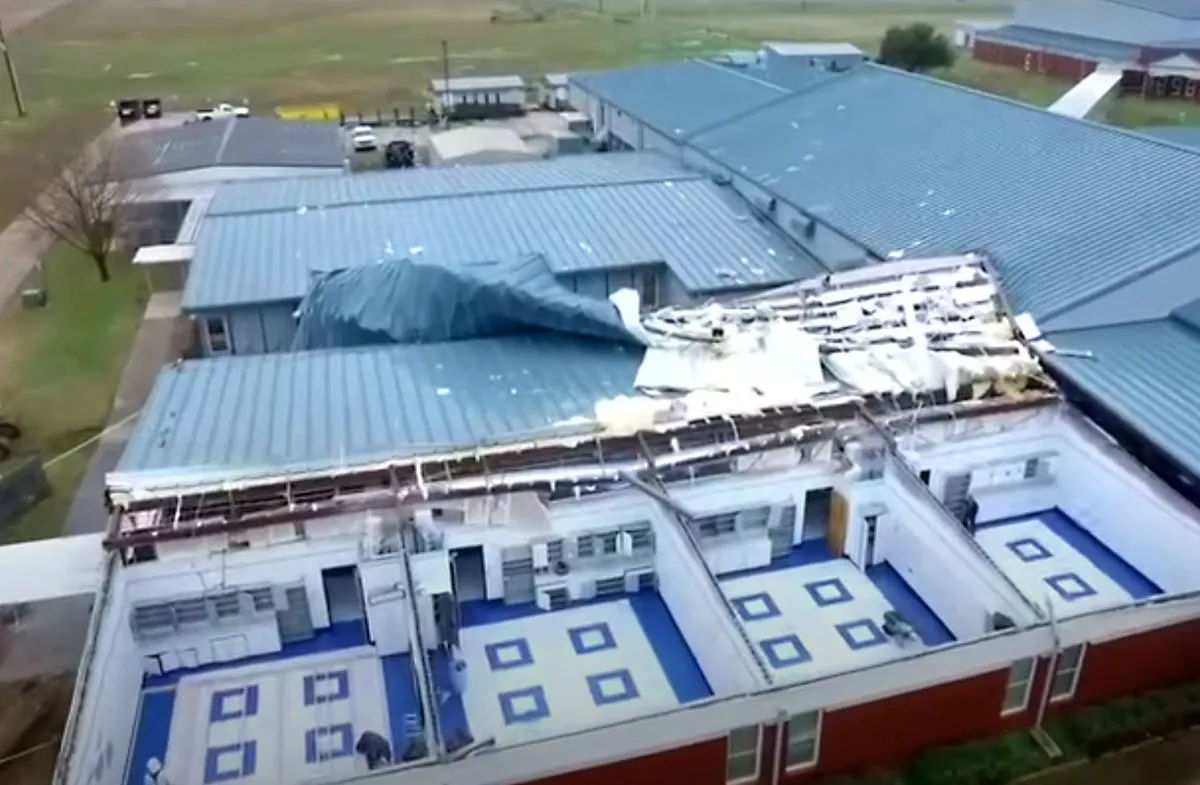
Storm damage roof repair and insurance claims in Columbus, OH require documentation at a precision that standard repair work doesn't. A successful commercial insurance claim starts with a damage assessment that identifies hail impact density, wind-related membrane displacement, flashing damage, and equipment damage — all documented with GPS-tagged photography, impact measurements, and a written assessment formatted for the insurance adjuster processing the claim. We've worked with commercial property insurers and public adjusters throughout OH and know what documentation gets claims approved.

Storm Damage Roof Repair & Insurance Claims decision points

Columbus's commercial market spans the I-70/I-71 freeway corridor, the Short North and German Village redevelopment districts, the Polaris and Easton retail centers, and the Rickenbacker cargo airport zone. Storm damage documentation and insurance claim roofing in this market requires a contractor who can produce GPS-tagged hail impact maps, wind damage assessments, and supplemental claim documentation in the format that commercial property adjusters use — not just a repair estimate, but the evidence package that gets the claim approved at full scope.

What gets verified on the roof

Storm damage roof repair and insurance claims in Columbus, OH require documentation at a precision that standard repair work doesn't. A successful commercial insurance claim starts with a damage assessment that identifies hail impact density, wind-related membrane displacement, flashing damage, and equipment damage — all documented with GPS-tagged photography, impact measurements, and a written assessment formatted for the insurance adjuster processing the claim. We've worked with commercial property insurers and public adjusters throughout OH and know what documentation gets claims approved.

How the Columbus property context affects the scope

Service decisions are tied to leak history, roof age, membrane condition, drainage, tenant sensitivity, access, and the capital plan behind the property.

What ownership receives

The next step is a repair scope, replacement budget, coating review, maintenance schedule, bid package, moisture survey, or immediate leak response plan.

Questions

Storm Damage Roof Repair & Insurance Claims questions

How thick should TPO be for a Columbus commercial building?

60-mil TPO is the minimum we install on Columbus commercial roofs. It is the minimum thickness required for most manufacturer NDL warranties. On roofs with frequent foot traffic — HVAC service routes, rooftop gardens, or occupied terraces — we specify 80-mil. For buildings in exposed locations on the north side of the metro where wind loading is higher, 80-mil fully adhered is our default recommendation. We have not installed 45-mil TPO on a new project in years; the cost difference does not justify the reduced durability.

Can TPO be installed in winter in Columbus?

Yes, with limitations. TPO can be installed in temperatures as low as 40°F for mechanically attached systems, but heat-welding quality degrades in cold and wet conditions. We install in winter in Columbus when the forecast is favorable — temperatures above 40°F during the working window, no rain or snow during installation. For urgent projects in winter conditions, we use temporary heat tenting over the work area. Fully adhered systems require adhesive temperatures above 40°F, which may not be achievable in January without supplemental heat.

How do TPO and EPDM compare for Columbus buildings?

Both systems perform well in the Columbus freeze-thaw climate. TPO has welded seams that are mechanically verifiable and a reflective surface that reduces cooling load. EPDM has been in the Columbus market for 40 years — there is a large base of certified installers and repair contractors, and it is forgiving to install in cold weather. We recommend TPO for new construction and full replacements where energy performance and weld-verifiable seams are priorities. We recommend EPDM recover or replacement when the existing system is EPDM and a tear-off is not required, or when budget pressure favors a lower-cost installation.

Talk through storm damage roof repair & insurance claims.

Share the building address, roof history, current concern, timing, and access constraints. We will give you a practical next step for inspection, repair, maintenance, coating, or replacement planning.

Contact Commercial Roofers of Columbus